Roof Leak Repair and Heavy Runoff
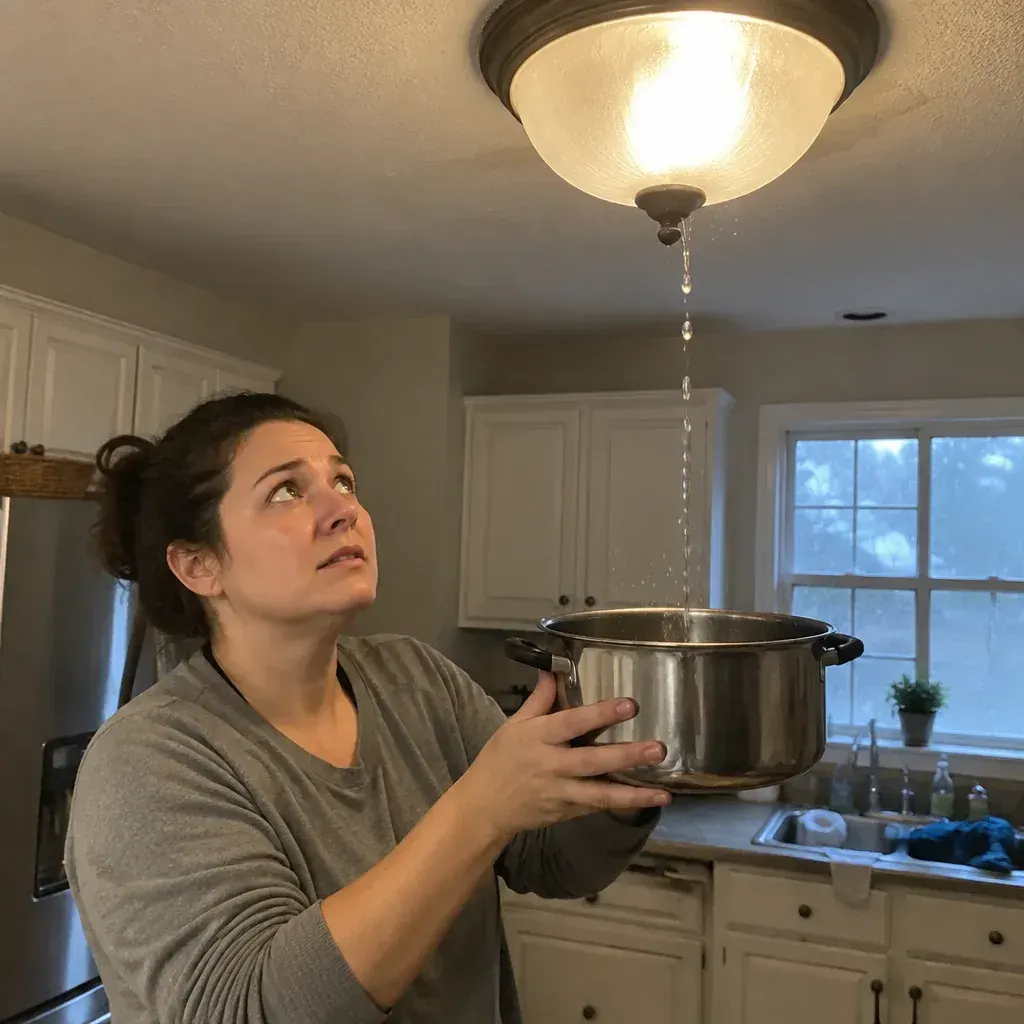
When a roof stays dry through a light shower but leaks in a hard downpour, the amount of water arriving at once is a useful clue. Runoff can build faster than a small gap sheds it, letting water enter where it did not show during gentler rain. Around Water Street Park and elsewhere in Bethlehem, the storm’s intensity may explain the timing, but it cannot identify the failed part by itself. The pattern points to a roof that needs a closer look.
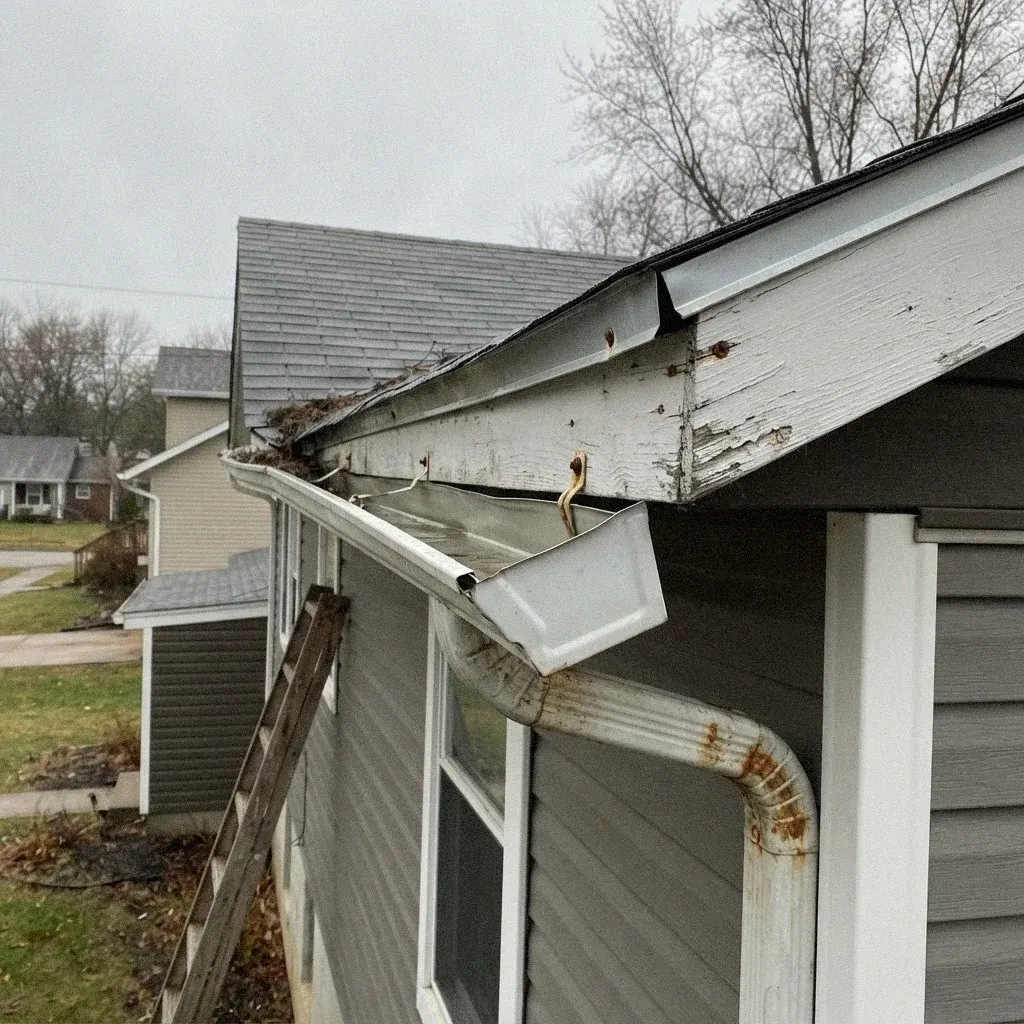
A roof leak heavy rain pattern can also involve how water is directed across the roof. A blocked or overwhelmed drainage route may leave more water around valleys and edges, while a gap at a joint can let runoff beneath the covering. Flashing protects transitions around walls, chimneys, and roof openings; if it is loose or damaged, a downpour may send water through that weak point. The same symptoms can have different causes, so the roof layout matters.
Roof Leak Repair Inspection Points
Begin an assessment indoors, then have the roof checked from a safe position. In Bethlehem, a roofer can look for fresh dampness or water marks in the attic and compare those signs with what is visible above. The stain on a finished ceiling does not tell you which roof part needs work. Near Birchwood Park or across town, the inspection should follow the evidence through the attic and roof rather than assume the nearest exterior feature is responsible.
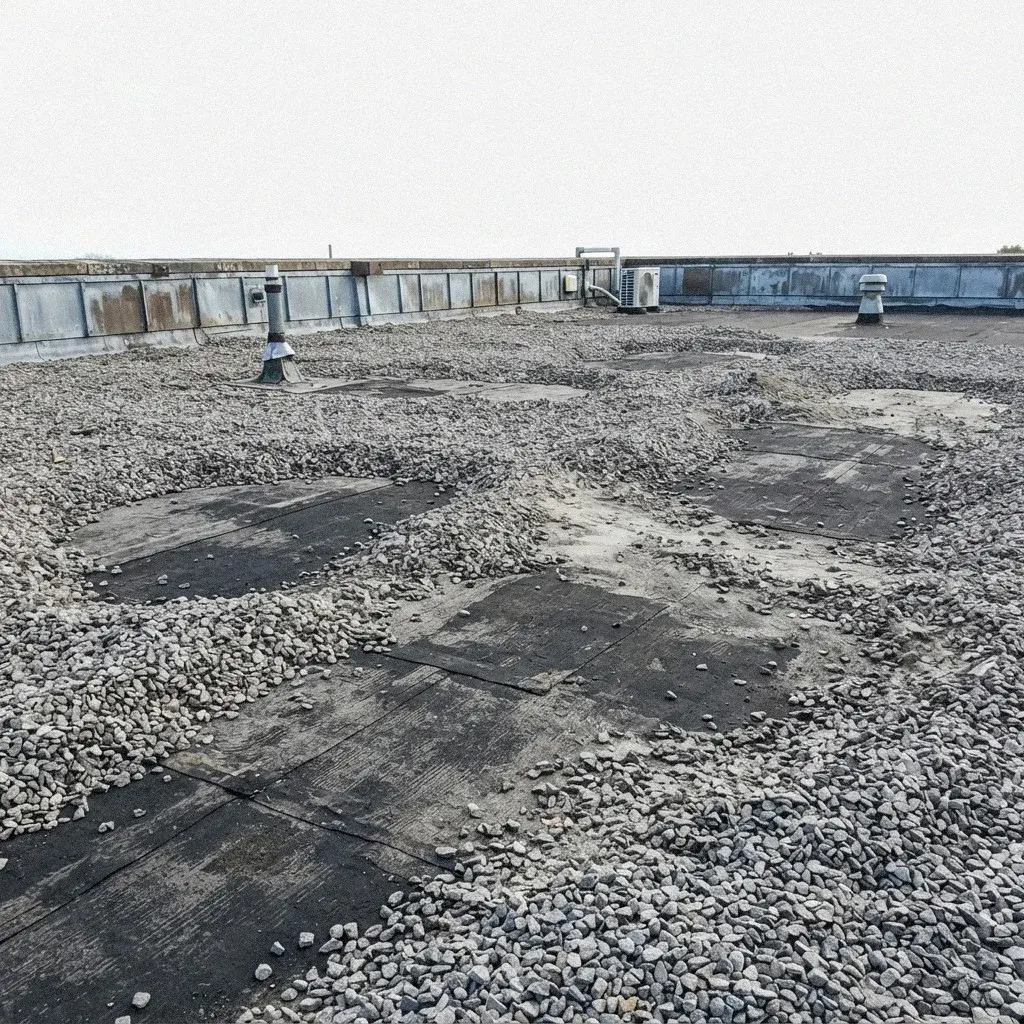
On the roof, attention turns to the surfaces and joints that handle runoff. A roofer may inspect shingles, valleys, flashing, vent boots, tiles, or seams on a flat roof, depending on what covers the building. A lifted shingle edge can behave differently from a split seal around a vent, and each calls for its own repair approach. Seeing which component has failed helps narrow the work; a general patch without that finding may leave the source untouched.
Roof Leak Repair and Storm Notes
Keep a simple storm log from indoors: note when the first drip appears, whether the rain is steady or intense, and which room becomes wet. If the leak starts only after the storm grows stronger, record that change too. A home in the Nancy Run area and one elsewhere in Bethlehem can have different roof layouts, so these observations help the roofer connect the timing to the specific property. A clear sequence is more useful than a guess about the cause.
Watch for visible drainage clues from the ground while it rains, such as water spilling over an edge or collecting in one area. Do not use the storm as a reason to inspect roof surfaces yourself; a wet roof can be dangerous to walk. Write down what you can see and hear, then add the details to your log after the rain eases. That gives a pro a record of the conditions that coincided with the leak without putting you on the roof.
Roof Leak Repair After a Downpour
Note whether water drips steadily or only when gusts drive rain against the roof. Keep the images with your storm notes so an insurer or property manager can review the condition and timing. In Bethlehem, including near Tumminello Park, those records can help explain what appeared during the downpour when a roofer later examines the property. Photos do not locate the entry point, but they preserve useful evidence for the assessment.
Share the start time, rain intensity, and affected rooms with an independent local pro, then ask which roof evidence supports the proposed repair. The pros we connect you with can explain what they found and whether the work addresses the suspected entry point. If the explanation does not connect the storm pattern to a roof component, ask what further inspection would clarify it. A useful assessment leaves you understanding why the leak appeared in heavy rain and what the repair is meant to fix.
Dealing with a roof leak at your home?
If you’re in Bethlehem near Silver Creek, Catasauqua Creek, or Old Allentown, call (610) 735-6069 to reach the pros we connect you with. Explain whether water is entering now or you’re arranging a check after a leak has stopped. Ask if your address is within their service area, what appointment times are available, and whether a visit has a charge. Once the roof and attic have been inspected, the findings can show which components need attention and what repair options fit their condition. Keep photos of visible damage and ceiling stains with your notes to compare with the inspection findings.