Office Building Roof Leak Repair
Office Leak Repair
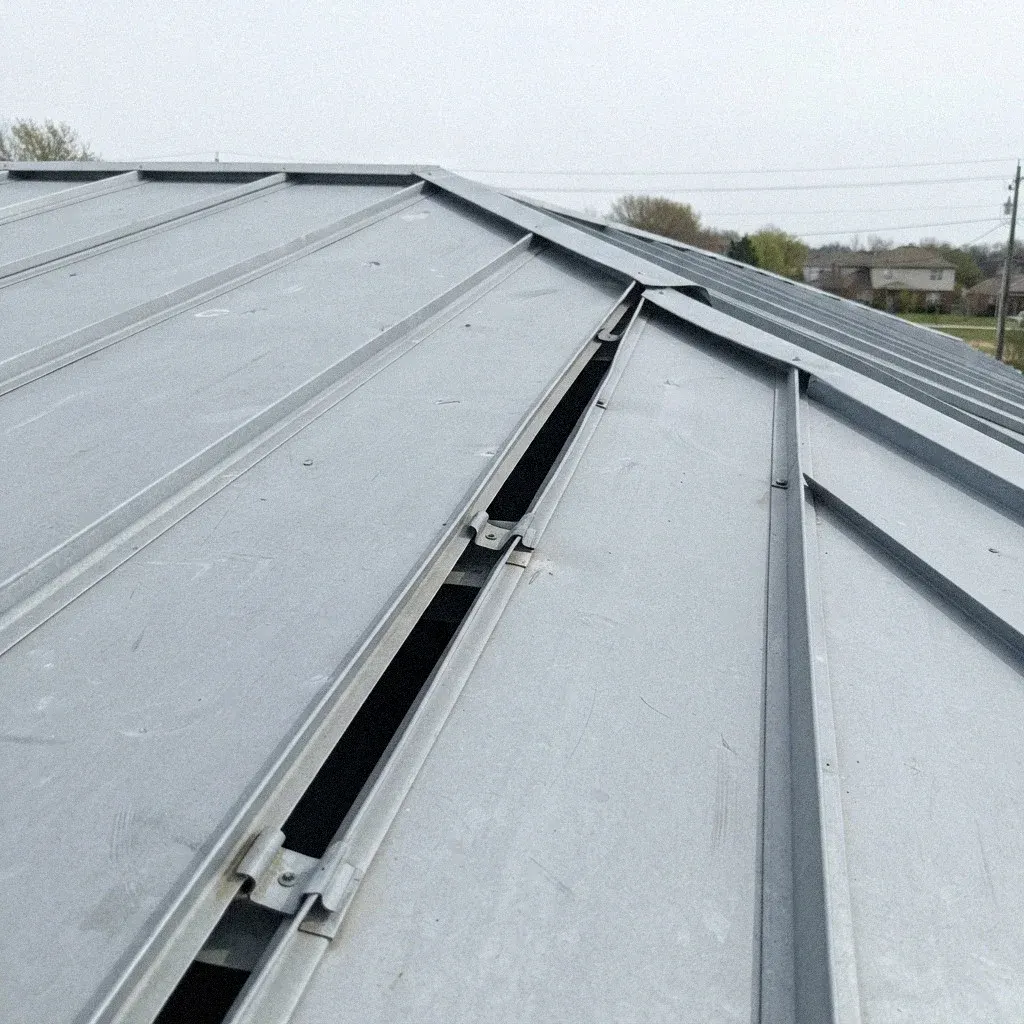
Plan an apartment roof repair around resident access, roof sections, and the property record you need afterward.
A roofer can compare resident reports with the building layout, coordinate roof and unit access, and trace the affected roof section. After identifying the relevant components, the roofer can define a repair area, complete suitable work, and provide the property manager with findings and a written scope.
When residents report an apartment roof leak, start by recording which unit is affected, where water appears, and when it was noticed. In Bethlehem, a shared log helps the property manager see whether reports arrive together or develop at different times, without assuming they have one cause. The pros we connect you with can use that record to plan work across the building and explain what access they need. A clear timeline also gives you a useful reference when similar reports return later.
Give each report a consistent label, such as building section, floor, room, and ceiling landmark, then add the date and weather residents observed. Near Birchwood Park, for example, a manager could track reports by stairwell and unit instead of keeping separate messages that are hard to compare. Note whether a mark is new, spreading, or unchanged. Those details help the roofer connect a repair record to the right part of the property and keep unrelated reports from being grouped together.
Apartment roofs can extend over several wings and shared rooms, so a unit number alone may not tell you where to look. In Bethlehem, mark the reported rooms on a building layout and pair them with roof sections identified by the roofer. If reports come from different floors, preserve each location rather than treating them as one event. The pros we connect you with can then record which areas they checked and how each finding relates to the building’s layout.
Before a visit, settle how the roofer will reach the roof and any interior spaces that the agreed work requires. Tell residents which areas may need entry and provide a visit window through the property’s usual notice process. In Bethlehem, this planning matters in occupied buildings where a locked service door or a resident’s schedule can affect the work sequence. Record access limits in the job notes, so a later visit does not depend on someone remembering an informal conversation.
Choose one property contact to collect updates from the roofer and pass along information to residents. That person can keep a dated record of access arranged, areas visited, and any follow-up requested, while directing approval questions to the right representative. For a building near Water Street Park, the manager might also log which shared spaces need notice before workers arrive. A single communication trail makes it easier to explain what happened and what remains open when the repair plan changes.
| Unit location | Repair work | Work timing |
|---|---|---|
| Resident report | Unit, affected room, and when noticed | Compare reports for patterns across floors |
| Roof area | Building wing and related roof section | Connect reports across a broad roof |
| Entry arrangements | Notice window, escort, and key process | Confirm access with the property manager |
| Building activity | Busy periods and shared walkways | Plan setup around resident traffic |
| Repair limits | Affected roof component and work boundary | Tie proposed work to confirmed findings |
| Work staging | Material movement and debris handling | Coordinate tasks to limit repeat interruption |
| Manager handoff | Completed work and any noted limits | Share photos and a scope summary |
| Property location | Bethlehem address with a nearby landmark | Use Municipal Park, Birchwood Park, or Farmersville Elementary as a cue |
Keep repair notes tied to a building location and a roof section, with the date, observed condition, and work proposed or completed. In Bethlehem, this creates a history that can show whether a later report concerns the same area or a separate part of the roof. Ask the roofer to label photos and notes consistently, then retain them with the property’s maintenance records. A useful record lets the next manager or contractor understand the prior work without relying on memory.
The repair scope should name the component involved and describe the work in plain terms. Damaged shingles, flashing at a joint, a vent boot, or a seam on a low-slope roof can call for different approaches, depending on what the roofer finds. Ask the pros we connect you with to note what material or detail they addressed and whether the proposal covers a small repair or broader work. That distinction helps you compare the written scope with the completed job.
Photos are most useful when the record explains what each image shows and where it was taken. Pair a roof detail with the related interior report when the roofer can establish that connection, and include a short caption rather than leaving images unlabeled. Near Nancy Run, a property manager could file the images by building section and repair date. The record should separate observed conditions from conclusions, so later readers can tell what was visible and what work was recommended.
Schedule the repair with the building’s daily use in mind. Ask which roof areas workers expect to access, when work is planned, and whether any shared entrances or paths may be affected; then give residents a clear notice. In Bethlehem, a manager can record the expected work window and update it if conditions change. Keeping that schedule with the repair notes helps explain when a report was made relative to the work and whether residents saw activity in the affected area.
Agree where equipment and materials may be placed, and identify the routes residents still need to use. The manager can note those arrangements alongside the work schedule, including any limits on shared areas. At a property near Tumminello Park, for instance, keeping deliveries and resident movement in mind can help reduce avoidable interruptions. Ask the roofer to tell the property contact when the work area is ready for normal use again, then add that update to the job record.
One apartment property may have several roof sections with different materials or details, so a general note like “roof repaired” leaves too much unclear. Ask for the affected section, component, and work performed to be named in the closeout record. If a later condo roof leak report concerns another wing, those details help you distinguish a new location from a repeat concern. In Bethlehem, keeping records by section makes maintenance history more useful across changes in staff or ownership.
Confirm who can approve the proposed work and who will answer resident questions before scheduling it. If the property is in a designated Bethlehem historic district, exterior changes may involve local review; whether that applies depends on the property and proposed work. Keep any approval or review status with the scope and repair notes. This gives the property contact a clear record of what was authorized and helps prevent uncertainty if the roofer’s findings lead to a revised proposal.
Permit steps depend on the municipality and the work proposed, so ask the roofer to describe the scope clearly enough for the property representative to check local requirements. A localized component repair may be treated differently from work that reaches other roof parts. In Bethlehem, designated historic districts also have an exterior review process for applicable changes. Keep the written proposal and any permit or review information together, rather than recording only that work was approved.
Before contacting a local roofer, gather resident reports with unit, room, location, and timing, plus any prior repair notes and labeled photos. Include a building layout if you have one, and explain the property’s access process and documentation needs. In Bethlehem, this gives the pros we connect you with a practical starting point for discussing an apartment roof leak and planning an occupied-building visit. Ask how their written findings and completed-work notes will fit into the property’s maintenance records.
For an occupied Bethlehem apartment building, start by comparing resident reports with the building layout, then plan roof and interior access before repair begins. A leak over a broad roof may involve different sections serving separate wings, so the roofer needs a clear way to connect each report with the property. Near Route 145 or Monocacy Creek, the same practical steps apply: set a contact path, agree on work limits, and decide what the property manager needs recorded. That sequence helps residents know what to expect and gives management a useful account of the work.
A countywide listing gives you nearby communities to compare, but the service boundary can change from one address to the next; check your location, includingBethlehem, Bethlehem Township and Hellertown. Before choosing a time, find out whether an assessment carries a fee and whether service reaches your address.
For an office or retail property, the quote may cover each visit or reflect the roof’s footprint and planned check schedule. Use $90–$350 as a budgeting reference. Roof access, interior evidence, and the amount of material needing attention can change the work proposed.For a commercial property in Bethlehem, roof size and arrangement can add seams, edges, and penetrations to the inspection and parts list, shifting the price. When calling, describe the building footprint, roof layout, and where water appears, including whether the site is near Gristmill Park or Hellertown.See pricing guide for full repair cost bands; commercial overview walks through the routine behind scheduled commercial roof inspections.
Office Leak Repair
Retail Roof Repair
Birchwood Park
Choose a property contact to meet the roofer, manage keys or roof access, and arrange any unit visits with residents. Share building entry rules and times when access is unavailable, then ask the roofer to give that contact schedule updates. For Bethlehem properties near Lehigh University, use the building’s actual access procedures; the location alone does not determine roof access or repair needs.
A roof plan divided by wings or sections can help a roofer organize a multifamily roof repair across a broad surface. Mark which units sit under each area and identify shared spaces such as hallways or stairwells. This gives the property manager a practical way to discuss where work will happen and which residents may need advance notice, without assuming every report points to the same roof section.
Ask when roof work is planned, where materials may be placed, and whether residents will need to avoid any shared route. A property contact can pass along a simple schedule and handle changes if weather shifts the work window. In Bethlehem, make those plans around the building’s own entrances and routines, whether it is near Sand Island or elsewhere in the city.
A useful closeout record names the building, work date, roof area, and components repaired, such as flashing, a vent boot, or a seam. It can also note any area the roofer could not reach and whether another visit is recommended. A property manager can keep that information with the unit reports so later maintenance staff can understand what work was completed.
Gather apartment reports and building access details, then discuss roof work, resident coordination, and documentation with the pros we connect you with.
Call (610) 735-6069