Warehouse Roof Leak Repair
Birchwood Park
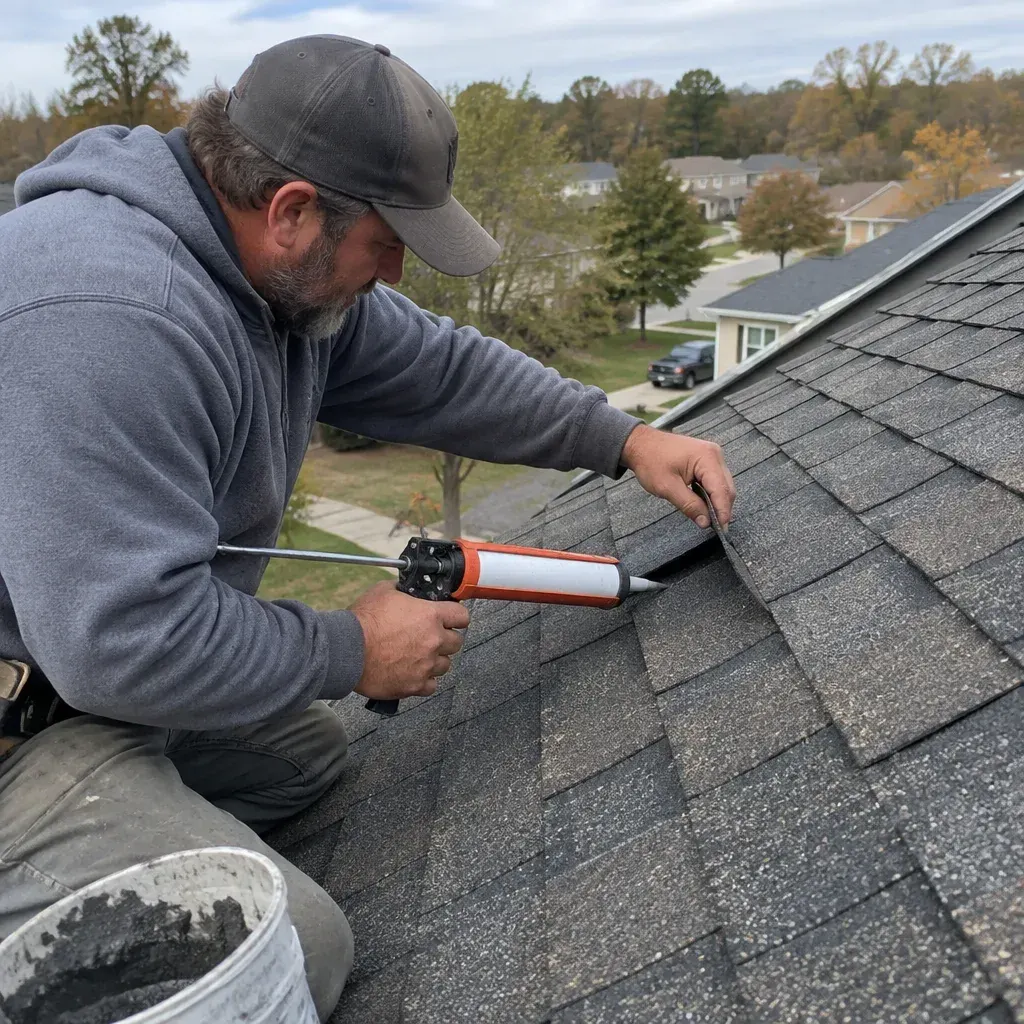
Coordinate care-area boundaries, roof access, repair timing, and records with your Bethlehem facilities contact.
A roofer compares the reported care area with roof evidence, documents the likely entry point, and scopes the affected repair. The facility contact sets access boundaries and a work window, then reviews the roof-area record and completed work.
For a hospital roof leak in Bethlehem, start with the care area staff reported, then connect that report to the building’s roof zones and plan how the pros we connect you with can reach them. That order helps you keep the repair tied to actual facility operations: staff can describe what they observed, facilities can set access conditions, and the roofer can investigate without treating a busy care area like an ordinary work site. The sections below follow that path from coordination through repair, records, cost, and local requirements.
Give the facilities contact a concise starting record: the department or room involved, when staff first noticed the issue, whether the space is in use, and any immediate interior concern. Add the building entrance the roofer should use, check-in or escort instructions, restricted corridors, and times when access is difficult. In Bethlehem, those details let the pros we connect you with plan a visit around the facility’s own procedures. They also help the contact coordinate with care staff before anyone needs to enter the area.
A mark on a clinic ceiling identifies where water became visible, not necessarily where it crossed the roof. Water can move along decking or framing, so the roofer may need to relate the reported room to the roof zone above and nearby sections. In Bethlehem, clear building and room identifiers help facilities staff and the roofer compare those locations without assuming they line up vertically. That distinction matters when the reported space is occupied and the inspection route must be planned carefully.
Before the pros we connect you with enter an occupied care area, have the facilities contact explain the site’s check-in, escort, screening, and room access procedures. Identify areas that must remain open for staff, patients, or equipment movement, along with any doors or corridors the roofer should avoid. A Bethlehem facility may have its own rules for visitors and contractors, so the contact should set those expectations before the appointment. Agreeing on a route in advance keeps the inspection from interrupting normal movement through the building.
The roofer can inspect from a planned roof access point and examine the section associated with the report. Depending on the system, the check may include shingles, tiles, flashing around walls or penetrations, valleys, vent boots, or seams on a low-slope roof. Bethlehem weather can leave surfaces wet or icy, so safe access depends on conditions and proper fall protection. The pros we connect you with should explain which roof zones they could reach and whether any area needs a different inspection method.
| Facility Area | Roof Clues | Work Timing |
|---|---|---|
| Affected unit | Identify the unit through the facilities lead | Room, floor, entry limits, contact |
| Roof entry | Use the approved ladder and escort route | Entry point, escort, staging location |
| Leak trace | Relate ceiling evidence to the roof section | Care area, roof section, photo references |
| Interior boundary | Keep tools and materials clear of occupied spaces | Barrier limits, corridor detours, staff notice |
| Work window | Set noisy tasks around clinical operations | Approved hours, quiet periods, contact |
| Repair scope | Choose work to suit the damaged roof assembly | Component, repair performed, materials used |
| Area context | Place the facility within Bethlehem service records | Bethlehem, Nancy Run, Water Street Park |
| Closeout file | Give facilities staff a clear repair record | Work summary, roof photos, follow-up items |
Once the suspected entry area is identified, the proposed medical facility roof repair should name the component and roof zone involved. A damaged shingle, a gap at flashing, and an open seam call for different work, and the inspection findings should explain why the suggested repair fits. In Bethlehem, ask the roofer to distinguish a targeted repair from a need for further evaluation, especially if the roof evidence does not yet account for the interior report. That gives the facilities team a clear scope to review before scheduling.
Choose a work window with the facilities contact after the roof area and likely repair are understood. The contact can flag rounds, deliveries, shift changes, or periods when a nearby route must stay clear; the roofer can describe expected noise, roof access, and equipment needs. For a Bethlehem facility, putting those limits into the schedule helps staff prepare without guessing how long a disruption might last. If weather changes the roof conditions, the parties can revisit the agreed window before work begins.
Before work starts, identify what lies below and around the repair zone: sensitive devices, clean work areas, ceiling fixtures, and rooms where staff need uninterrupted access. The facilities contact can specify what must be covered, moved, or kept outside the work path, while the roofer explains where tools and materials will be handled. In Bethlehem, the plan should account for the actual room use and layout at that facility. A clear boundary helps protect occupied interiors while keeping the repair area manageable.
Ask for a written record that lets another facilities staff member follow the work later. It can identify the reported care area, the roof zone inspected, visible conditions at relevant components, and the repair completed or recommended. Photos of interior staining and roof conditions can support that record when the locations are labeled clearly. For a Bethlehem facility, consistent building, room, and roof-zone names make the file easier to use during maintenance handoffs. Include the inspection date so staff can place the roof findings in maintenance history.
Use the facility’s own building and roof-zone labels in appointment notes, work records, and follow-up messages. Bethlehem includes landmarks such as Sand Island and Burnside Plantation, but those names are only broad geographic references; they do not identify a facility’s roof or establish its condition. Monocacy Creek is another local reference that may help orient a service-area conversation. For the repair itself, the useful location is the exact building section and care area supplied by the facilities contact.
The leak inspection cost can vary with the amount of roof area that needs review, the access arrangements, and how many facility contacts must coordinate entry. A roof with several sections to assess may take different planning from a limited inspection with straightforward access. In Bethlehem, ask what the inspection includes, which areas the roofer expects to reach, and whether the estimate covers a written record of findings. Those details help you compare the proposed visit with the facility’s documentation needs before authorizing repair work.
A report of water after rain or winter weather helps establish when staff noticed it, but timing alone does not identify a failed component. Bethlehem has seasonal precipitation and freezing winter conditions, which can affect when a symptom becomes apparent; an inspection is still needed to connect it to roof evidence. Record the date and room observations for the facilities contact, then let the roofer explain what the roof inspection supports. Avoid treating weather or a ceiling mark as proof of cause before that review.
Before approving work, check permit requirements with the municipality that covers the Bethlehem facility and describe the exact repair scope. Rules can differ by jurisdiction and by the work proposed, so a localized repair and broader roofing work may not follow the same path. Keep the municipality's response with the scope description for staff reviewing the proposed work later. The facilities contact can verify whether that review applies to the property and proposed work.
To arrange a useful visit, send the facilities contact the affected care area, entry and escort procedures, schedule limits, and any immediate interior concern. Ask the pros we connect you with to identify the roof zone they inspected, describe the observed condition, and provide a repair scope and record for the facility. In Bethlehem, keep the municipal review question with the person responsible for property approvals. That gives staff a clear route from the first report to a coordinated repair decision.
Start with the care area where staff noticed a problem, then give the facilities contact’s access rules to the roofer before anyone heads to the roof. That sequence helps the inspection stay focused and keeps the repair plan tied to clinical operations. In Bethlehem, a site note can include a clear approach or a recognized reference such as Municipal Park or Housenick Memorial Park. The roofer can compare the indoor report with roof sections, document the likely source, and agree with facility staff on a work window and repair scope.
The communities listed here show the county’s possible reach for roof leak repair; give the service contact your location to confirm it falls within their area, includingBethlehem, Bethlehem Township and Hellertown. Have the scheduler explain any charge for coming out, then check whether your property falls within the service boundary.
For a commercial building, check whether the proposal covers one assessment or scheduled follow-ups, then use $90–$350 to orient your budget. A broad roof surface, difficult entry, or evidence across several sections can add inspection time or expand the recommended repair work.For a commercial property in Bethlehem, roof size and arrangement can add seams, edges, and penetrations to the inspection and parts list, shifting the price. When calling, describe the building footprint, roof layout, and where water appears, including whether the site is near Gristmill Park or Hellertown.See pricing guide for full repair cost bands; commercial overview walks through the routine behind scheduled commercial roof inspections.
Birchwood Park
Office Leak Repair
Retail Roof Repair
Have the facilities contact identify rooms or departments that must remain undisturbed, then agree on a roof entry route, check-in process, and any escort requirement. Staff can point out sensitive areas without needing the roofer to enter them. For a Bethlehem site, a clear approach note—perhaps using Birchwood Park as a reference where useful—can reduce confusion on arrival. Set a contact for updates if access or site conditions change.
Give the roofer the department and room where the issue was reported, what staff saw, and when it occurred. Add roof plans or prior repair notes if available, plus any restricted spaces, equipment concerns, and the person who can authorize access. A Bethlehem facility can include a site approach note referencing Nancy Run when that helps distinguish the property. These details guide the inspection without assuming the visible interior mark sits beneath the roof defect.
Yes. The facility contact can identify periods when roof noise or activity would interfere least with care, then the roofer can propose inspection and repair times for staff to review. If patient needs or building operations shift, staff should have a direct way to relay the change. In Bethlehem, the agreed schedule should also account for how roof access and materials will be handled at that specific facility.
Ask for a written record that names the roof section examined, the condition found, and the work completed, with dated photos where practical. The note should distinguish confirmed damage from areas the roofer could not inspect and identify any follow-up recommended. Keep it with facility maintenance records so later staff can connect the reported care-area issue to the roof work and understand what remains unresolved.
Share the affected care area, access rules, and roof concern with the pros we connect you with for a facility repair plan.
Call (610) 735-6069