Start With the Moisture Record
Start with when you notice the dampness, then note what was happening inside and whether the roof has been exposed to recent precipitation. A roof leaking without rain can have moisture from more than one source, so a dry sky alone does not settle the question. In Bethlehem, write down the room and the time the mark appears; a spot near Old Allentown may call for the same careful record as one elsewhere in the city.
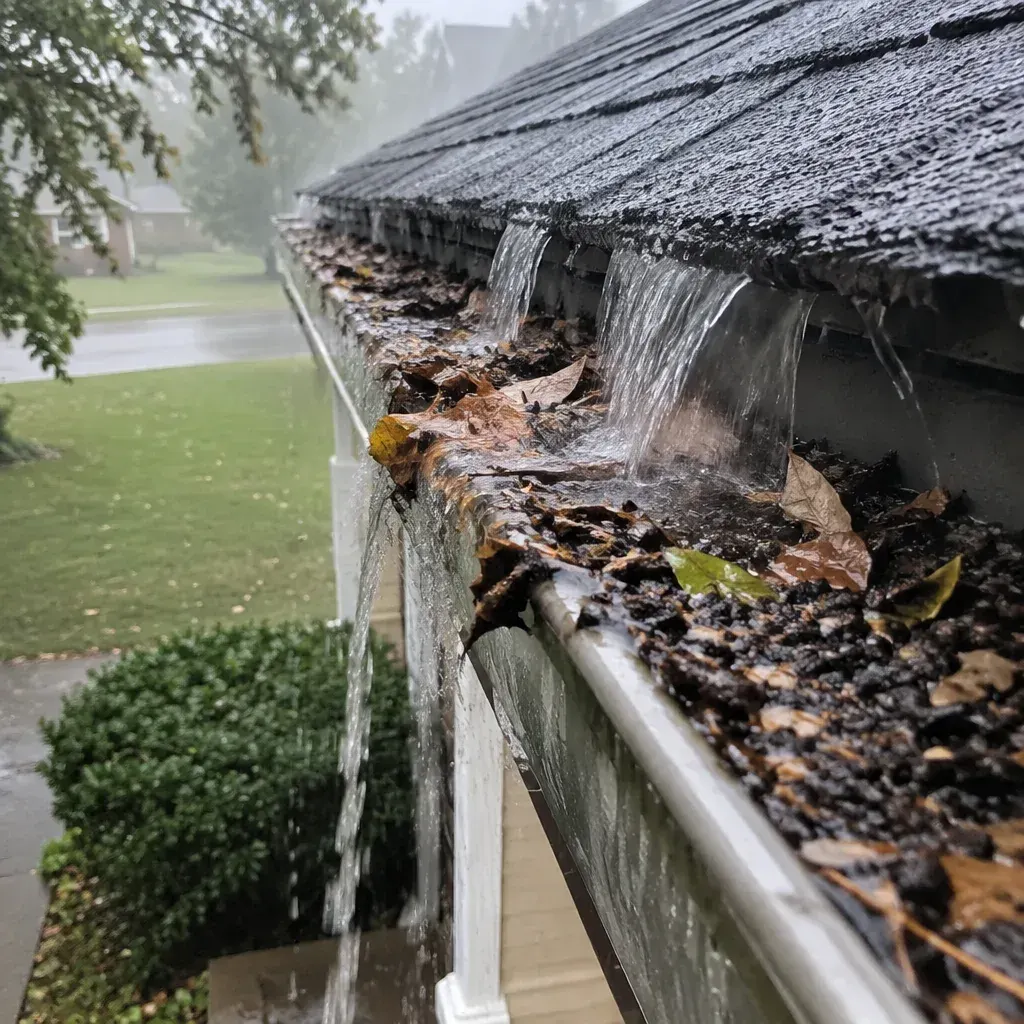
Moisture can remain within roof layers or nearby building materials and become visible indoors later, even when no rain is falling at that moment. Indoor humidity is another possibility: bathing, cooking, or laundry can add water vapor that meets a cooler surface. These are different paths, and neither can be confirmed from a ceiling mark alone. Around Bethlehem, consider what changed in the home before deciding that a roof leak in dry weather has a single obvious explanation.
Roof Components That May Admit Water
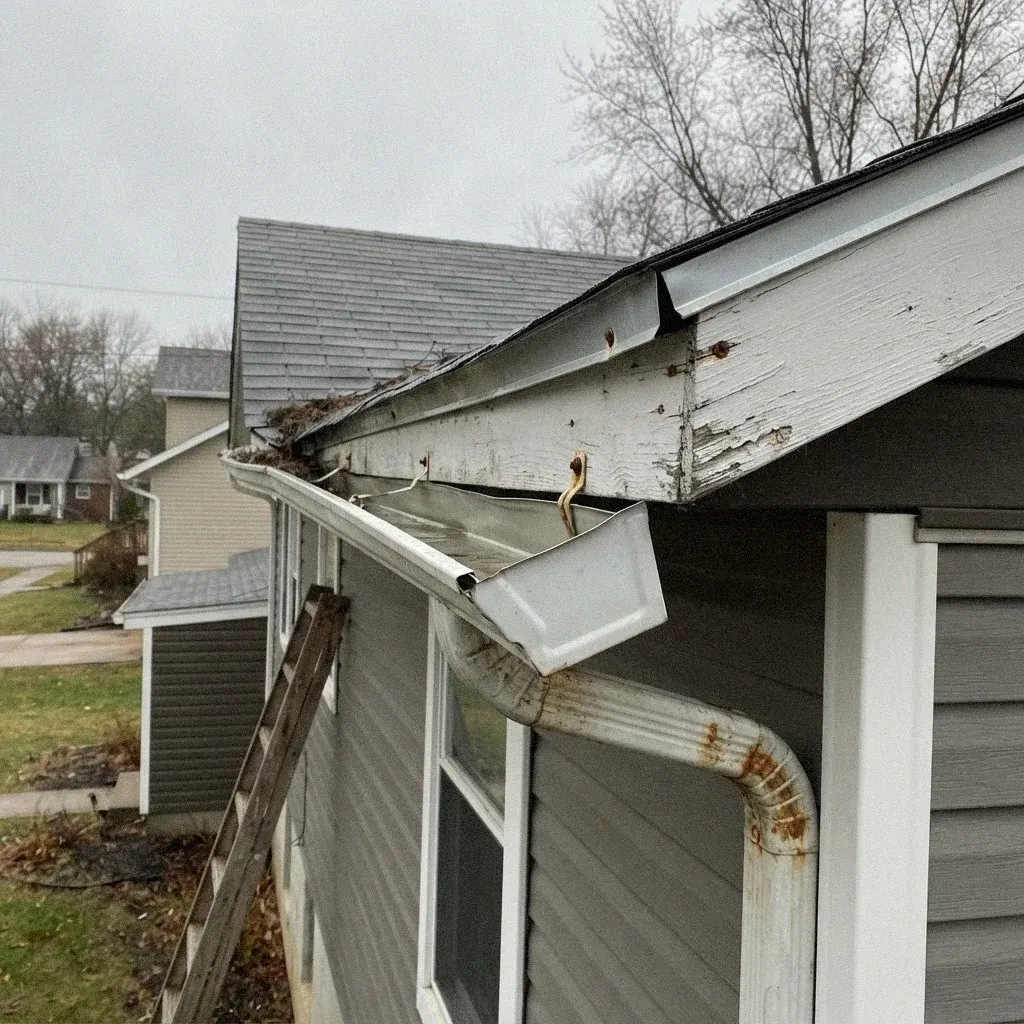
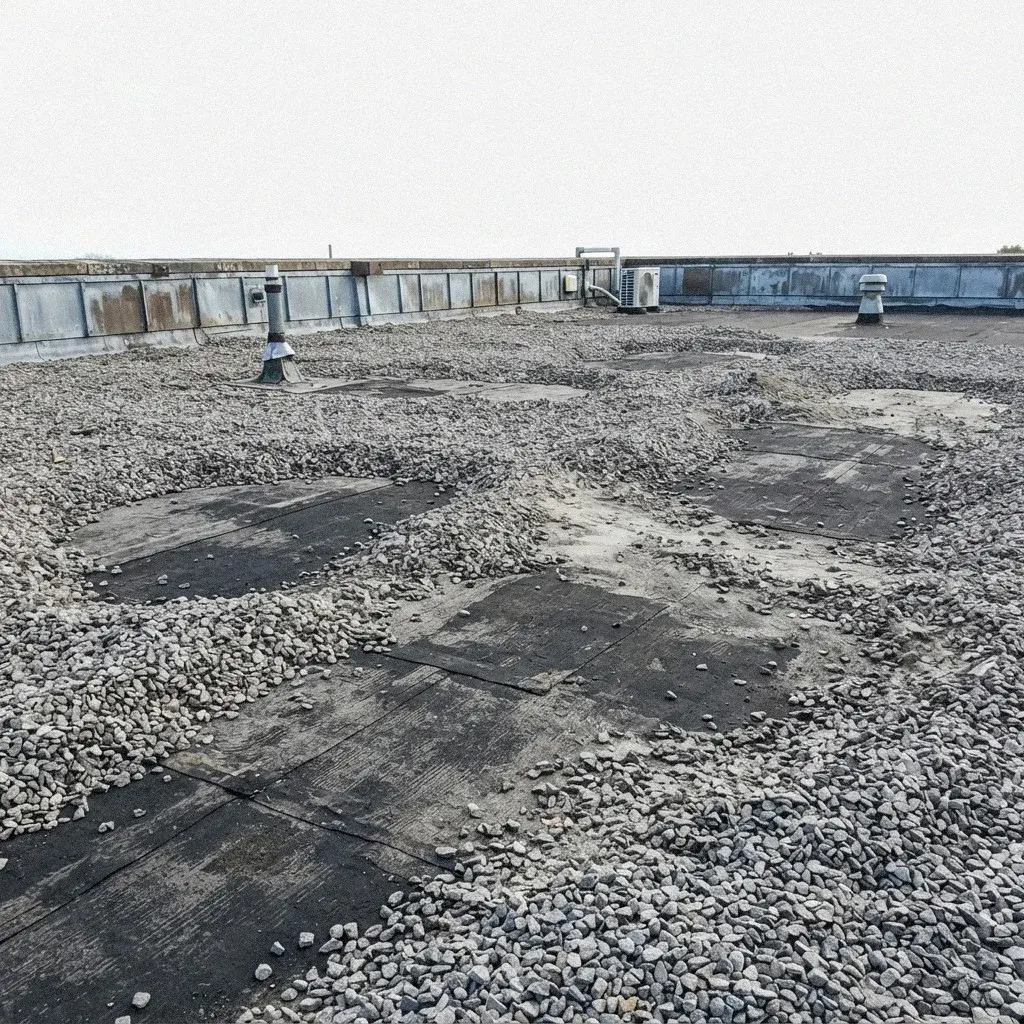
A roof opening remains one possible source when dampness shows up during clear weather. Shingles, tiles, a flat-roof seam, or a joint around a chimney or vent can admit water under some conditions. Flashing is the shaped material that closes those transitions and directs water away from vulnerable joints. A roof leak inspection can look at these parts, though the visible ceiling mark may be some distance from the area that needs attention.
Moisture can also come from pipes or heating and cooling equipment, which may run or discharge water independently of outdoor weather. Notice whether the affected area is near a bathroom, kitchen, utility space, or equipment, and include that in your notes. A home near the South Bethlehem Greenway and one near Burnside Plantation may have different layouts, but the location of the dampness inside each home is useful context for sorting possible sources.
Track Indoor Activity and Location
Keep a simple log with the date, room, approximate time, and what you saw or felt: a new mark, damp material, or a musty smell. Add recent weather and household water use, including when fixtures or equipment were operating. This record helps connect moisture to events without guessing at the cause. If you are in Bethlehem near the Little Lehigh Creek, use the creek only as a familiar point of reference when describing where your home is.
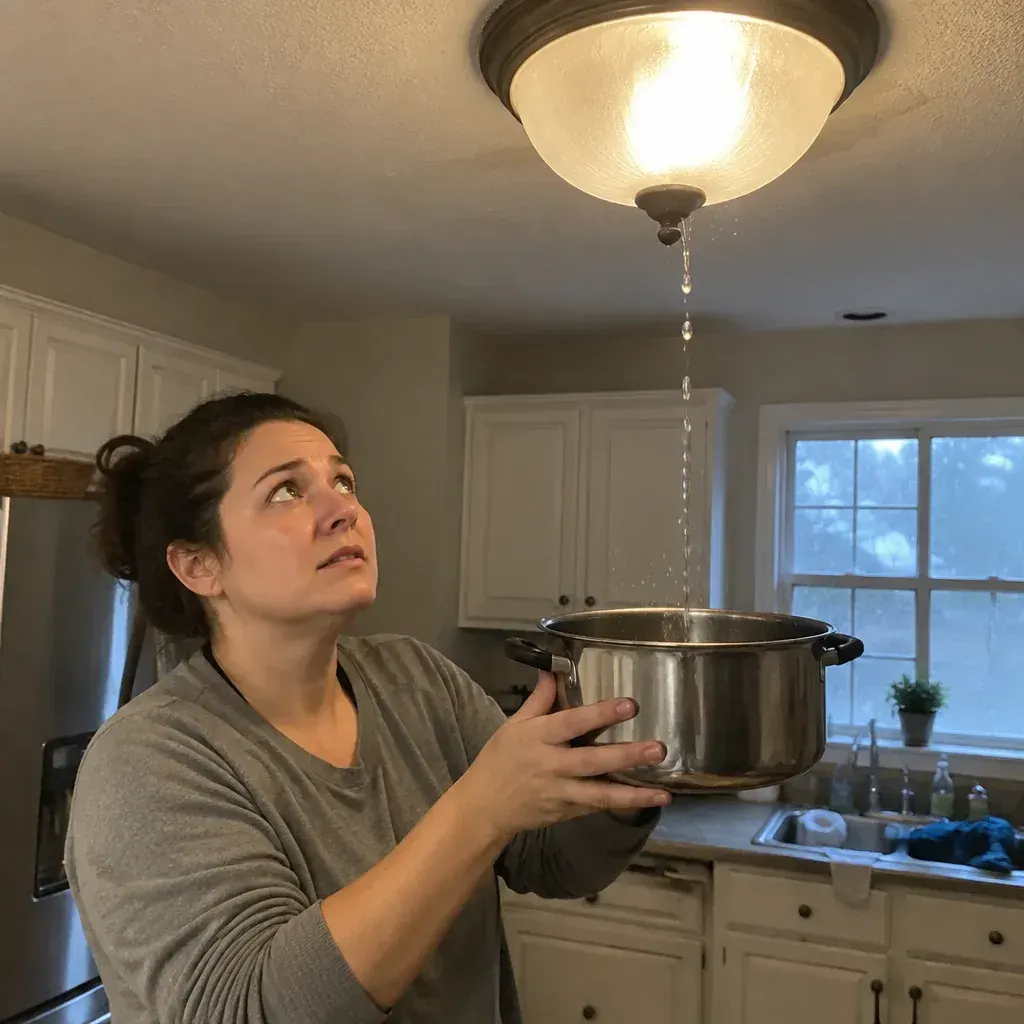
Take indoor photos from a safe place and include enough of the room to show where the affected area sits. If the mark changes, make another image and note when; avoid disturbing wet ceiling material. A short written description can help the pros we connect you with understand what you have observed before they inspect. You can also mention whether the area is near plumbing or equipment, without trying to open a wall or reach the roof.
Use Inspection Findings to Guide Repair
When your notes do not point to a clear source, ask for an inspection that considers both roof conditions and relevant interior evidence. Check ceilings, attic surfaces, and nearby walls for dampness or staining that may help narrow down the source. Roof access takes proper equipment and care, so leave that work to a qualified professional. The findings matter more than the weather at the moment you first noticed the stain.
When a roof is leaking without rain, note when moisture appears and what has been running inside the home. In Bethlehem, water retained in a roof cavity from earlier precipitation may appear later; indoor condensation or a plumbing or mechanical system can also wet a ceiling. These possibilities have different sources, so write down recent weather, household water use, and the room where moisture appears. Whether you are near Route 145, Monocacy Creek, or the Lehigh River, seek an appropriate inspection if the source remains unclear.
Dealing with a roof leak at your home?
If you’re in Bethlehem near Silver Creek, Catasauqua Creek, or Old Allentown, call (610) 735-6069 to reach the pros we connect you with. Explain whether water is entering now or you’re arranging a check after a leak has stopped. Ask if your address is within their service area, what appointment times are available, and whether a visit has a charge. Once the roof and attic have been inspected, the findings can show which components need attention and what repair options fit their condition. Keep photos of visible damage and ceiling stains with your notes to compare with the inspection findings.